
Driving an electric car in winter: a matter of compromise
November 16 2020,
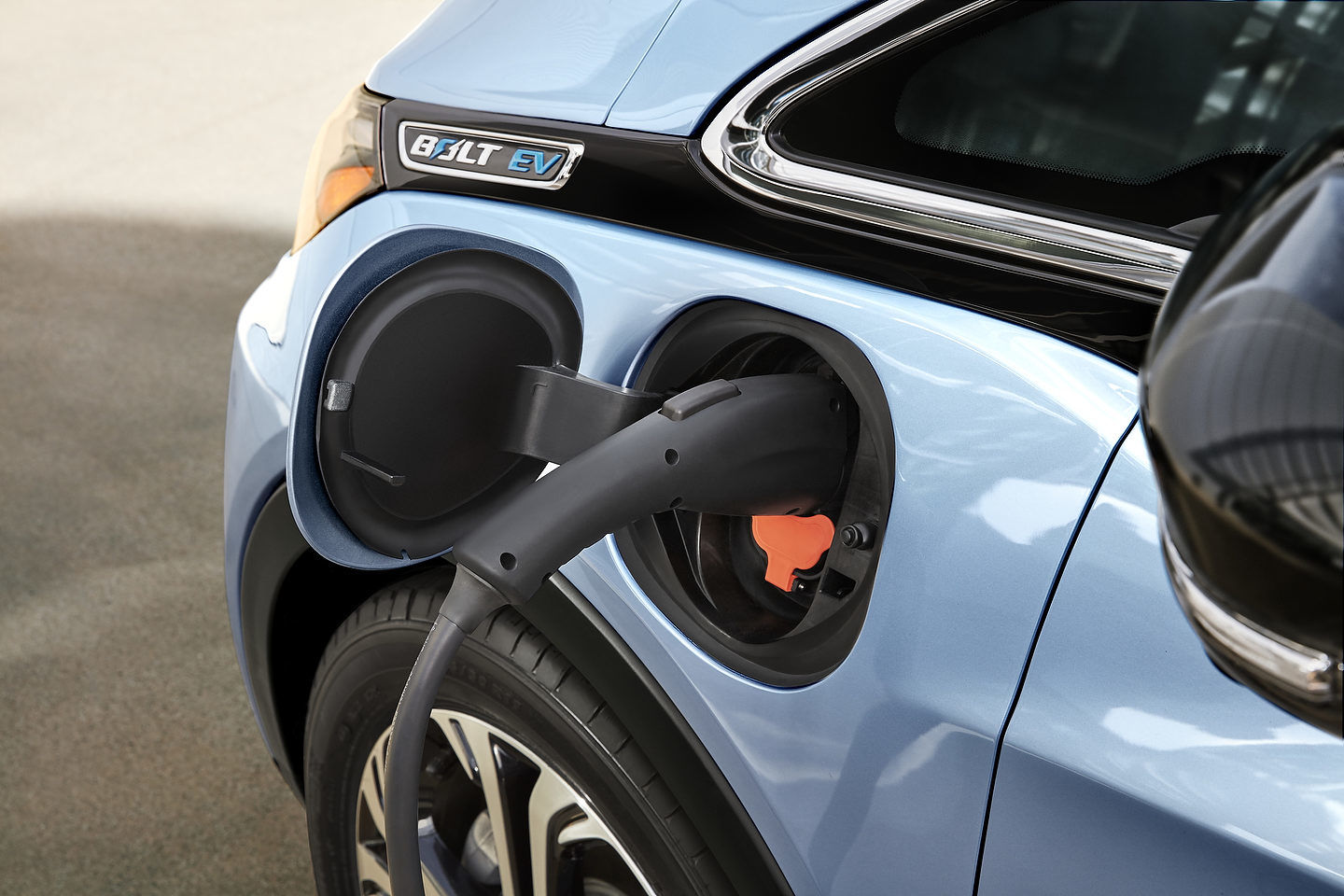
In life, we must constantly make compromises. We even do it when buying a vehicle by prioritizing one element more than another, by leaving out a feature for price reasons, etc. With an electric car, winter driving also requires some compromises. When we understand these compromises, we appreciate it more.
1 - Less autonomy
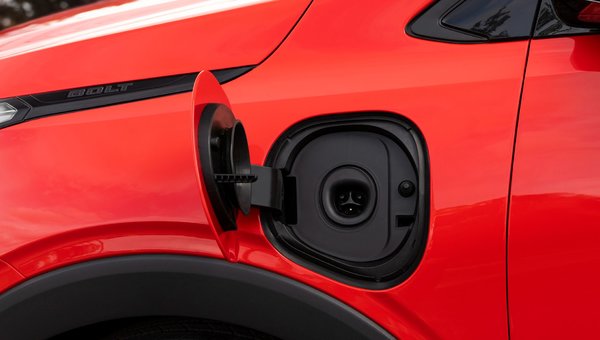
When starting an electric vehicle, our first reflex is always to look at the anticipated range. In the case of the Chevrolet Bolt EV, for example, it's 417 km. However, in the winter, because the battery is less efficient, it will definitely be less. It can be 350 or 325, even 300, if the temperature drops quite a lot. It is agreed that this is still sufficient for daily travel. We just have to anticipate that if the temperature drops during the day, it is possible that the autonomy will do the same. Thus, you should avoid playing the tight game. When it is possible to recharge, even if 100 km remains at our disposal, it is always better to do so.
2 - Accessories
If cold weather affects the range of an electric vehicle in the winter, the same applies to accessories. However, it's not as catastrophic as you might think. For example, again using the Chevrolet Bolt EV as an example, the use of heated seats or a heated steering wheel doesn't really affect the freedom that the model allows us. On the other hand, the heating system will be greedier. As a result, you have to plan accordingly. If you enjoy a generous amount of autonomy for your travels, you can turn the cockpit into a stove without it affecting you. On the other hand, if your calculations call for caution, simply reduce the heating demand, or even turn it off at times, to recover a few kilometers of autonomy.
3 - Choosing the right route
If, for one reason or another, you have to travel 100 km when your range indicates a freedom of 110 km, you should be careful. The first step is to drive smoothly so that you can play the game safely. Then, the choice of your route will also have a great influence on the actual range you will enjoy. For example, at -20 degrees Celsius, you may have difficulty completing the 110 kilometers on the highway. However, on a city boulevard with traffic lights, you'll drive slower, but you'll often brake as well, which will allow the regeneration system to regain kilometers of range during braking operations. You might be surprised to cover 150 km with the 110 announced.
Above all, with an electric car, it's important to study how it reacts to conditions and the way you drive. It will often show you how to proceed.